


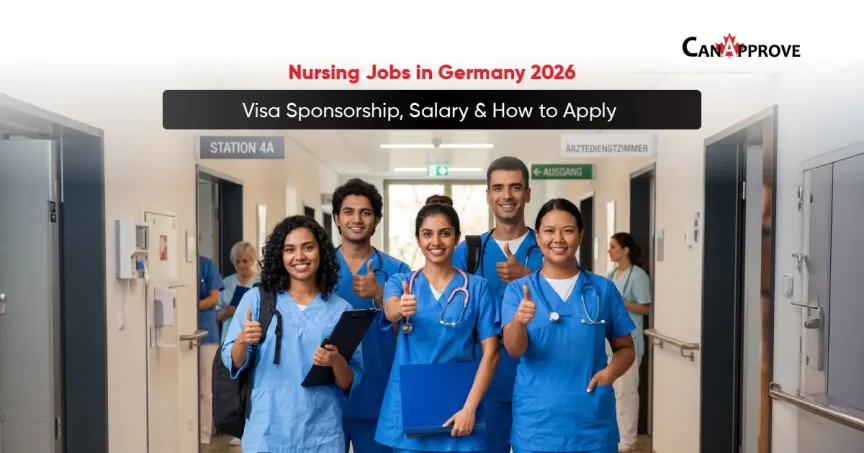

Nursing Jobs in Germany are a great career option for qualified nurses who want better pay, job security, and international work experience. Germany’s healthcare system needs skilled nurses in hospitals, elderly care homes, and clinics, so the demand remains high every year. For many Indian nurses, this opens the door to a stable future, visa support, and long-term growth in Europe.
Table Of Content
1Types of Nursing Jobs in Germany2Nursing Jobs in Germany3Nursing Jobs in Germany with Visa Sponsorship4Nursing Salary in Germany5German Language Requirement for Nurses6How to Apply for Nursing Jobs in Germany7Conclusion8Frequently Asked Questions
Types of Nursing Jobs in Germany
Germany offers a wide range of nursing jobs for international nurses in hospitals, elderly care homes, rehabilitation centers, and home healthcare services. Qualified nurses can work in different specialties based on their skills, experience, and German language proficiency.
The main Types of Nursing Jobs in Germany include:
1. Registered Nurse (Pflegefachkraft)
2. Elderly Care Nurse (Altenpfleger)
3. Intensive Care Nurse (Intensivpfleger
4. Oncology Nurse (Onkologiepfleger)
5. Pediatric Nurse (Kinderpfleger)
6. Surgical Nurse (Operationsschwester)
7. Home Care Nurse (Ambulante Pfleger)
8. Psychiatric Nurse (Psychiatriepfleger)
9. Emergency Nurse (Notfallpfleger)
10. Anesthesia Nurse (Anästhesiepfleger)
Nursing Jobs in Germany
Germany’s healthcare system continues to face a strong shortage of qualified nurses, creating steady opportunities for international professionals. Nursing jobs in Germany are available across hospitals, elderly care homes, rehabilitation centers, and home care services. For skilled nurses, this field offers stable employment, good salaries, and visa sponsorship opportunities. With the right qualifications and German language skills, many Indian nurses can build a long-term career in Germany.

1. Registered Nurse
Registered Nurses in Germany provide direct patient care in hospitals, clinics, and medical wards. They monitor patients, assist doctors, manage medications, and support recovery across different departments. This role is in high demand because Germany needs more trained nursing staff to support its growing healthcare needs.
Registered Nurse Duties and Responsibilities
- Monitor patient health and record vital signs.
- Administer prescribed medicines and injections.
- Assist doctors during treatments and procedures.
- Support patients with daily care and recovery.
- Maintain medical records and care plans.
How to Become a Registered Nurse in Germany
1. Complete a recognized nursing qualification such as GNM or B.Sc. Nursing.
2. Get your qualification recognized in Germany through the official recognition process.
3. Learn German language up to the required level, usually B2.
4. Complete any adaptation training or pass the required exam if needed.
5. Apply for a job offer and begin the visa process for Germany.
2. Elderly Care Nurse
Role Overview
Elderly Care Nurses work in nursing homes, assisted living centers, and home care settings. They help older adults with medical needs, mobility, hygiene, and emotional support. Germany has very high demand for this role due to its ageing population.
Role of Nurse in Care of Elderly
- Assist elderly patients with daily living activities.
- Monitor health conditions and report changes.
- Support mobility, hygiene, and nutrition.
- Administer medicines and basic treatments.
- Provide comfort and companionship to patients.
How to Become a Elderly Care Nurse in Germany
1. Complete a nursing or caregiving qualification.
2. Apply for recognition of your educational and professional background.
3. Reach the required German language level, usually B2.
4. Undergo practical training or an adaptation program if required.
5. Secure a job offer and apply for the appropriate visa.
3. Intensive Care Nurse
Intensive Care Nurses in Germany work in ICUs and emergency units where patients need close monitoring and advanced care. They handle critical cases and work with specialized medical equipment. This role is highly valued in Germany due to the growing need for trained nurses in acute care settings.
Intensive Care Unit Nurse Duties and Responsibilities
- Evaluate critically ill patients closely.
- Operate and monitor ICU equipment.
- Assist with emergency treatments and procedures.
- Track vital signs and report changes quickly.
- Support doctors and senior medical staff in critical care.
How to Become a Intensive Care Nurse in Germany
1. Finish a recognized nursing qualification.
2. Get your credentials recognized in Germany.
3. Achieve the required German language level, usually B2.
4. Complete ICU-specific training or additional clinical preparation.
5. Apply for a nursing job and start the visa process.
4. Pediatric Nurse
Pediatric Nurses in Germany care for infants, children, and adolescents in hospitals, clinics, and children’s wards. They support young patients during treatment and help families understand care routines. This is one of the most important healthcare jobs in Germany because child healthcare requires trained and compassionate professionals.
Pediatric Nurse Duties and Responsibilities
- Care for children during treatment and recovery.
- Monitor growth, health, and vital signs.
- Support families with guidance and reassurance.
- Assist doctors in pediatric procedures.
- Administer medicines and basic nursing care.
How to Become a Pediatric Nurse in Germany
1. Complete a nursing qualification with relevant clinical experience.
2. Apply for credential recognition in Germany.
3. Learn German to the required level, usually B2.
4. Complete child-care training or adaptation if required.
5. Obtain a job offer and proceed with the visa application.
5. Surgical Nurse
Surgical Nurses in Germany assist in operating rooms before, during, and after surgery. They prepare patients, support surgeons, and maintain sterile conditions. Germany has ongoing demand for surgical nurses in hospitals and surgical centers.
Surgical Nurse Duties and Responsibilities
- Prepare operating rooms and surgical instruments.
- Assist surgeons and anesthetists during procedures.
- Support patients before and after surgery.
- Maintain hygiene and sterile conditions.
- Monitor recovery and post-operative care.
How to Become a Surgical Nurse in Germany
1. Complete a recognized nursing course.
2. Get your qualifications recognized in Germany.
3. Reach the required German language level, usually B2.
4. Complete surgical nursing training or hospital-based adaptation.
5. Apply for a work visa after securing a job offer.
6. Home Care Nurse
Home Care Nurses in Germany visit patients at home and provide medical and personal care. They help people who are recovering, elderly, or unable to visit hospitals regularly. This role is growing in Germany because more patients prefer receiving care at home.
Duties and Responsibilities of Home Care Nurse
- Visit patients at their homes for routine care.
- Administer medicines and basic treatments.
- Check health conditions and recovery progress.
- Assist with hygiene, mobility, and daily support.
- Coordinate with doctors and family members.
How to Become a Home Care Nurse in Germany
1. Complete a nursing qualification.
2. Get your education and experience recognized.
3. Learn German up to the required level, usually B2.
4. Complete any required adaptation training.
5. Secure employment and apply for a German visa.
7. Psychiatric Nurse
Psychiatric Nurses in Germany support patients with mental health conditions in hospitals, clinics, and care centers. They work with individuals who need emotional support, treatment, and daily supervision. Germany needs more mental health professionals, making this a promising nursing field.
Psychiatric Nurse Duties and Responsibilities
- Support patients with mental health care needs.
- Observe behavior and report changes to doctors.
- Assist in therapy, treatment, and daily routines.
- Provide emotional support and reassurance.
- Help maintain a safe care environment.
How to Become a Psychiatric Nurse in Germany
1. Complete a recognized nursing qualification.
2. Apply for recognition of your professional background.
3. Achieve the required German language level, usually B2.
4. Complete psychiatric training or adaptation if needed.
5. Apply for a nursing job and visa sponsorship.
8. Emergency Nurse
Emergency Nursing jobs in Germany involve working in emergency rooms and urgent care units where patients need immediate treatment. Nurses deal with accidents, injuries, and sudden illnesses. This role is important in Germany because emergency departments need fast, skilled, and reliable nurses.
Emergency Nurse Duties and Responsibilities
- Provide immediate care in emergency situations.
- Monitor patients and respond to urgent medical needs.
- Assist doctors with emergency procedures.
- Stabilize patients before further treatment.
- Keep detailed records of emergency care.
How to Become a Emergency Nurse in Germany
1. Earn a recognized nursing qualification.
2. Complete the recognition process for Germany.
3. Meet the German language requirement, usually B2.
4. Gain emergency care training or adaptation experience.
5. Apply for a job and complete the visa process.
Nursing Jobs in Germany with Visa Sponsorship
Nursing jobs in germany with visa sponsorship include:
1. Registered Nurse
2. Elderly Care Nurse
3. Intensive Care Nurse
4. Pediatric Nurse
5. Surgical Nurse
6. Home Care Nurse
7. Emergency Nurse
Germany offers visa sponsorship for qualified international nurses because of the strong shortage in healthcare staffing. Common sponsored roles include Registered Nurse, Elderly Care Nurse, Intensive Care Nurse, Pediatric Nurse, Surgical Nurse, Home Care Nurse, and Emergency Nurse. To qualify, nurses usually need a recognized nursing credential, German language proficiency, and an employer job offer before the visa process begins.
Germany’s nursing visa pathway is especially attractive because employers and authorities may support recognition, pre-approval, and relocation steps. In many cases, nurses must show recognized qualifications, a language certificate such as B2, and the required work documents before applying for the visa. Once approved, these jobs can lead to stable employment in hospitals, care homes, rehabilitation centers, and home healthcare settings.
Nursing Salary in Germany
On average, nurses in Germany earn around €35,000 to €45,000 per year.
Germany offers attractive nursing salaries because of the strong demand for qualified nurses across hospitals, elderly care homes, clinics, and home healthcare services. Pay varies by role, experience, city, employer, and shift work, but skilled nurses in specialized departments usually earn more than general care staff.
1. Registered Nurse Salary in Germany
A Registered Nurse in Germany can expect a steady salary with growth as experience increases. Registered nursing is considered one of the highest paying jobs in Germany in the healthcare sector. Salaries are also influenced by language skills, recognized qualifications, and whether the job includes night shifts or weekend duties.
Entry-Level Registered Nurse in Germany (0–2 yrs): Approx. €32,000–€38,000 per year
Experienced Registered Nurse in Germany (3–7 yrs): Approx. €38,000–€46,000 per year
Senior/Specialised Registered Nurse in Germany (>7 yrs): Approx. €46,000–€55,000+ per year
2. Elderly Care Nurse Salary in Germany
Elderly care nurses are in very high demand in Germany due to the country’s ageing population. Salaries can improve with experience, care-home specialization, and additional responsibilities in patient support.
Entry-Level Elderly Care Nurse in Germany (0–2 yrs): Approx. €30,000–€35,000 per year
Experienced Elderly Care Nurse in Germany (3–7 yrs): Approx. €35,000–€42,000 per year
Senior/Specialised Elderly Care Nurse in Germany (>7 yrs): Approx. €42,000–€50,000+ per year
3. Intensive Care Nurse Salary in Germany
Intensive care nurses usually earn more because the role requires advanced patient monitoring and critical care skills. This is one of the best-paid nursing areas in Germany, especially in large hospitals.
Entry-Level Intensive Care Nurse in Germany (0–2 yrs): Approx. €38,000–€44,000 per year
Experienced Intensive Care Nurse in Germany (3–7 yrs): Approx. €44,000–€52,000 per year
Senior/Specialised Intensive Care Nurse in Germany (>7 yrs): Approx. €52,000–€60,000+ per year
4. Pediatric Nurse Salary in Germany
Pediatric nurses work with infants, children, and teenagers, and salaries are often influenced by hospital type and specialization. Nurses with strong child-care experience and German language skills may receive better offers.
Entry-Level Pediatric Nurse in Germany (0–2 yrs): Approx. €31,000–€36,000 per year
Experienced Pediatric Nurse in Germany (3–7 yrs): Approx. €36,000–€43,000 per year
Senior/Specialised Pediatric Nurse in Germany (>7 yrs): Approx. €43,000–€52,000+ per year
5. Surgical Nurse Salary in Germany
Surgical nurses support operations and post-operative care, so they often receive higher pay than general nursing roles. Experience in operating rooms and hospital procedures can significantly raise earning potential.
Entry-Level Surgical Nurse in Germany (0–2 yrs): Approx. €35,000–€40,000 per year
Experienced Surgical Nurse in Germany (3–7 yrs): Approx. €40,000–€48,000 per year
Senior/Specialised Surgical Nurse in Germany (>7 yrs): Approx. €48,000–€56,000+ per year
6. Home Care Nurse Salary in Germany
Home care nursing jobs in Germany provide flexible and important support to patients in their homes. Salary levels depend on travel requirements, workload, and whether the nurse works independently or for a care agency.
Entry-Level Home Care Nurse in Germany (0–2 yrs): Approx. €28,000–€33,000 per year
Experienced Home Care Nurse in Germany (3–7 yrs): Approx. €33,000–€40,000 per year
Senior/Specialised Home Care Nurse in Germany (>7 yrs): Approx. €40,000–€48,000+ per year
7. Psychiatric Nurse Salary in Germany
Psychiatric nurses support patients with mental health conditions in hospitals, clinics, and care centers. Salary levels depend on the facility, experience, shift work, and level of specialization.
Entry-Level Psychiatric Nurse in Germany (0–2 yrs): Approx. €32,000–€37,000 per year
Experienced Psychiatric Nurse in Germany (3–7 yrs): Approx. €37,000–€45,000 per year
Senior/Specialised Psychiatric Nurse in Germany (>7 yrs): Approx. €45,000–€52,000+ per year
8. Emergency Nurse Salary in Germany
Emergency nurses work in high-pressure environments such as emergency rooms and urgent care units. Salary levels are usually higher because the role requires quick decision-making, strong clinical skills, and shift-based work.
Entry-Level Emergency Nurse in Germany (0–2 yrs): Approx. €38,000–€43,000 per year
Experienced Emergency Nurse in Germany (3–7 yrs): Approx. €43,000–€50,000 per year
Senior/Specialised Emergency Nurse in Germany (>7 yrs): Approx. €50,000–€58,000+ per year
German Language Requirement for Nurses
The requirements to work as a nurse in Germany include meeting the German language standard, which is essential for patient care, communication, and qualification recognition.
- A2 German is listed by Make it in Germany for nursing professionals, but this is for the initial job-search/entry stage, not full independent practice as a nurse.
- B2 German is the standard requirement for full nursing work and recognition in many employer and licensing pathways.
- B1 German can be enough in some cases to begin work as a nursing assistant or under a recognition partnership while you continue improving to B2.
- The language proof may depend on the state, employer, and recognition route, so the exact level is not identical everywhere in Germany.
- For actual patient care, B2 is the safest target because nurses must understand medical instructions, document care, and communicate clearly with patients and teams.
How to Apply for Nursing Jobs in Germany
For Nursing Jobs in Germany, the application process is simple but requires proper preparation. Candidates need the right qualifications, German language skills, and complete documents before applying for jobs and visa sponsorship.
Here is the simple step-by-step process to apply for nursing jobs in Germany:
Step 1: Check Eligibility
You need a recognized nursing qualification such as GNM or B.Sc. Nursing to apply.
Step 2: Learn German
Most nursing jobs require German language ability, and hospitals commonly expect B2 level for full nursing roles.
Step 3: Prepare Your Documents
Keep your passport, nursing certificates, transcripts, experience letters, resume, and medical fitness records ready.
Step 4: Apply for Jobs
You can apply through German hospital career pages, recruitment partners, or official job listings.
Step 5: Attend Interviews
Employers usually conduct online interviews to check your skills, experience, and German communication level.
Step 6: Start Recognition
Your nursing qualification must be assessed and recognized in Germany, and some cases may require adaptation or an exam.
Step 7: Apply for the Visa
After getting a job offer and completing the required paperwork, you can submit your German work visa application. Then you can start your nursing jobs in Germany.
Conclusion
Germany offers strong nursing job opportunities in Germany across hospitals, elderly care homes, clinics, rehabilitation centers, and home healthcare services. With the right qualifications, German language skills, and recognized credentials, international nurses can build stable careers with good salary growth and visa sponsorship support. For official guidance, the Federal Government portal provides details on nursing professions, qualification recognition, and career prospects in Germany: Nursing professionals – Make it in Germany.

I’m An Overseas Nursing Officer currently working and living in Nigeria my home country and with more than 20 years of work experience humbly expressing my interest in working in Germany as a Registered nurse under your noble organisation and I am assuring you that you will never regret offering me the opportunity for whatsoever reason as I’m willing and ready to discharge my duties with competence,collaboration and dedication towards impacting positively into people’s lives.
Hi Omotoso,
Thank you for your interest.
If you’re looking for a work visa, CanApprove can certainly assist you. Please note that we are not a job consultancy, so we do not provide overseas job placements or recruitment services.
Our immigration experts can assess your profile and guide you on the most suitable work visa or employer-sponsored visa options based on your qualifications, work experience, and the country you wish to migrate to.
Please share your qualifications and experience, and we’ll assist you further. BOOK A FREE CONSULTATION NOW!
I am nurse very interested to do work in germeny hospitals
Hi Sheema,
Thank you for your interest.
If you’re looking for a work visa, CanApprove can certainly assist you. Please note that we are not a job consultancy, so we do not provide overseas job placements or recruitment services.
Our immigration experts can assess your profile and guide you on the most suitable work visa or employer-sponsored visa options based on your qualifications, work experience, and the country you wish to migrate to.
Please share your qualifications and experience, and we’ll assist you further. BOOK A FREE CONSULTATION NOW!